














Accidents often strike when you least expect them. Are you confident you have the right protection in place? This comprehensive 2025 guide to accident cover insurance is designed to help you secure your finances and peace of mind in an unpredictable world. Inside, you’ll discover what accident cover insurance is, how it works, who really needs it, and how to pick the ideal policy for your situation. From coverage details and policy types to expert tips on claims, we’ve got your questions answered. Read on to stay one step ahead and make informed choices for your safety and security.
What Is Accident Cover Insurance?
Accidents can happen in a split second, but the financial consequences can last a lifetime. That’s where accident cover insurance comes in, offering a safety net when life takes an unexpected turn. Let’s break down exactly what this type of insurance is, how it works, and why it’s more important than ever in 2025.

Definition and Core Concepts
Accident cover insurance is a policy that pays out financial benefits if you experience injury, disability, or death due to a sudden, unforeseen event. Unlike standard health or life insurance, which cover illness or natural causes, accident cover insurance focuses solely on accidental incidents.
Here’s what it typically includes:
- Accidental injury: broken bones, burns, or other harm from events like falls or car crashes.
- Accidental disability: partial or total loss of ability to work or perform daily tasks.
- Accidental death: provides a lump sum to your beneficiaries.
Common scenarios covered are:
- Slips and falls at home or in public places.
- Road and vehicle accidents.
- Injuries at work, especially in hazardous environments.
However, there are exclusions. Accident cover insurance usually does not cover:
- Pre-existing medical conditions.
- Self-inflicted injuries.
- Non-accidental events like illness or natural causes.
Key terms to know:
| Term | Meaning |
|---|---|
| Sum insured | The maximum amount payable under the policy. |
| Premium | The amount you pay for coverage, typically monthly or yearly. |
| Waiting period | The time before certain benefits become active. |
| Exclusions | Specific scenarios or conditions not covered by the policy. |
For more detailed answers to common questions, visit the Common Accident Insurance Questions page.
How Accident Cover Insurance Works
Policies are structured to fit different needs. You can get accident cover insurance as an individual, through a group plan (like your employer), or as a family policy covering multiple members. Each option offers varying levels of coverage and flexibility.
Benefit payments come in two main forms:
- Lump sum: A one-time payment after a qualifying event, such as accidental death or permanent disability.
- Reimbursement: Covers medical expenses like hospitalization, surgery, or rehabilitation.
Coverage duration can be short-term (for a specific period or event) or annual, renewing each year. Some policies coordinate with other insurances. For instance, you might receive accident benefits on top of your health insurance payout, or as a supplement if workers’ compensation doesn’t fully cover your loss.
Accident cover insurance is designed to bridge gaps left by traditional health or life insurance, offering extra peace of mind when facing the unexpected. Understanding how these policies work helps you choose the right protection for your unique situation.
Why Accident Insurance Is Increasingly Relevant in 2025
In 2025, the world is changing rapidly, and so are the risks we face. According to recent data from the World Health Organization, global accident rates continue to rise, especially among younger adults and those in high-risk jobs. Many traditional health insurance plans don’t fully cover the costs of accidental injuries, leaving individuals exposed to significant out-of-pocket expenses.
Consider these facts:
- The average cost of emergency care after a serious accident can reach thousands of dollars.
- Lost income due to injury or disability can strain family finances, particularly for gig workers or freelancers without employer benefits.
The evolving nature of work and travel also plays a role. More people are working remotely, traveling for business, or taking on side hustles that carry added risk. Accident cover insurance helps protect not just your health, but your financial stability in a world where accidents are becoming more common.
By understanding what accident cover insurance is, how it works, and why it matters today, you can make informed decisions for your future safety and peace of mind.
What Does Accident Cover Insurance Include?
Accident cover insurance is designed to provide a financial safety net when life takes an unexpected turn. Understanding exactly what is included in an accident cover insurance policy can help you make informed choices and avoid surprises during challenging times. Let’s break down the core coverage, optional benefits, and key limitations you should know about.

Core Coverage Areas
The foundation of accident cover insurance is protection against the financial consequences of unexpected accidents. Core areas typically include:
- Accidental death benefit: Lump sum payout to your nominated beneficiaries if you lose your life due to a covered accident.
- Permanent total or partial disablement: Compensation if an accident results in life-changing injuries, such as loss of limbs or eyesight.
- Temporary disablement: Income replacement if you’re unable to work for a period due to accident-related injury.
- Medical expenses: Reimbursement for costs like hospitalization, surgery, and rehabilitation following covered accidents.
- Emergency evacuation and repatriation: Coverage for transport to a suitable medical facility or home country if required after a serious accident.
With accident cover insurance, these core benefits ensure that you and your loved ones aren’t left facing overwhelming expenses or loss of income after an unexpected event.
Optional and Add-On Benefits
Most accident cover insurance policies allow you to customize your protection with optional benefits and add-ons, including:
- Daily hospital cash allowance: Fixed daily payments for each day of hospital stay due to an accident.
- Child education benefit: Financial support for your children’s education if you experience a disabling injury or death.
- Coverage for fractures, burns, or specific injuries: Extra payouts for particular types of injuries, such as broken bones or serious burns.
- Funeral expenses and bereavement support: Help with the costs of final arrangements and support for grieving families.
- Worldwide coverage options: Protection for accidents that occur while traveling, even internationally.
Adding these benefits to your accident cover insurance can provide extra reassurance, tailoring the policy to fit your family’s needs and lifestyle.
Exclusions and Limitations
While accident cover insurance offers valuable protection, it’s crucial to know what is not covered. Common exclusions and limitations include:
| Exclusion Type | Description |
|---|---|
| War and terrorism | Injuries from acts of war or terrorism are usually excluded |
| Risky activities | Certain sports or hazardous hobbies may not be covered |
| Pre-existing conditions | Medical issues existing before policy start are typically excluded |
| Self-inflicted injuries | Injuries resulting from intentional acts are not covered |
| Age restrictions | Minimum and maximum age limits may apply |
| Waiting periods | Some benefits activate only after a set waiting period |
Before purchasing accident cover insurance, review the policy documents carefully to understand these exclusions. This ensures your expectations match what your insurance will actually provide.
Real-World Examples and Case Studies
To see how accident cover insurance works in practice, consider these real-world scenarios:
- Workplace injury: A construction worker suffers a serious fall, leading to temporary disablement. The policy pays out a monthly income replacement and covers rehabilitation costs.
- Road accident: After a car crash, a policyholder receives a lump sum for permanent partial disablement and reimbursement for surgery and hospital bills.
- Sports injury: An amateur athlete breaks a leg during a match. The insurance pays a specific benefit for fractures and daily hospital cash during recovery.
According to industry data, the average claim payout for accident cover insurance ranges from $5,000 to $50,000, with most claims settled within 30–45 days. These examples highlight the practical value of having comprehensive accident cover insurance in place.
Types of Accident Cover Insurance Policies
Choosing the right accident cover insurance policy can feel overwhelming, given the range of options available in 2025. Understanding the main types of policies helps you align coverage with your lifestyle and risk profile.
Individual vs. Group Policies
Accident cover insurance comes in both individual and group formats. Individual policies are tailored for one person, offering customized benefits and coverage. Group policies, on the other hand, are arranged by employers or associations, covering multiple people under a single contract.
| Feature | Individual Policy | Group Policy |
|---|---|---|
| Eligibility | Anyone, based on application | Employees or organization members |
| Customization | High | Moderate |
| Cost | Based on personal factors | Typically lower per person |
Families can also opt for family floater plans, which bundle accident cover insurance for all household members. This approach simplifies management and can be more economical.
Specialized Policies by Occupation or Risk
Not all accident cover insurance policies are created equal. High-risk professions—like construction, mining, journalism, or humanitarian aid—often require specialized coverage. Standard policies may exclude certain hazardous activities, so tailored plans address these gaps.
Frequent travelers and expatriates can benefit from accident cover insurance that includes worldwide protection. Students, especially those studying abroad or in sports programs, may also need specific policies to cover academic or extracurricular risks.
Specialized group policies can be explored further through resources such as Specialized Group Accident Insurance, ensuring coverage for unique professional or travel-related exposures.
Policy Customization and Riders
Policyholders often want to tailor accident cover insurance to their needs. Customization is possible through add-ons, called riders, which enhance the core policy. Common riders include:
- Accidental medical expenses
- Adventure sports coverage
- Child education benefit
By selecting the right riders, you can ensure your accident cover insurance reflects your activities, family needs, or occupation. Always review available riders and choose those that genuinely add value to your policy.
Choosing the Right Policy Type
Selecting the most suitable accident cover insurance starts with a personal risk assessment. Ask yourself:
- How risky is your job or daily routine?
- Do you travel frequently or engage in hazardous hobbies?
- Are you looking to cover just yourself or your entire family?
Compare policy features, premiums, and exclusions. Use online tools to review options side by side. Reading the fine print is essential, as some policies may have hidden exclusions affecting your coverage.
Specialized Accident Coverage for High-Risk Professions and Locations
For individuals and organizations operating in high-risk or conflict zones, specialized accident cover insurance is vital. Standard policies often exclude incidents related to war, terrorism, or hazardous activities. That’s where unique solutions come in.
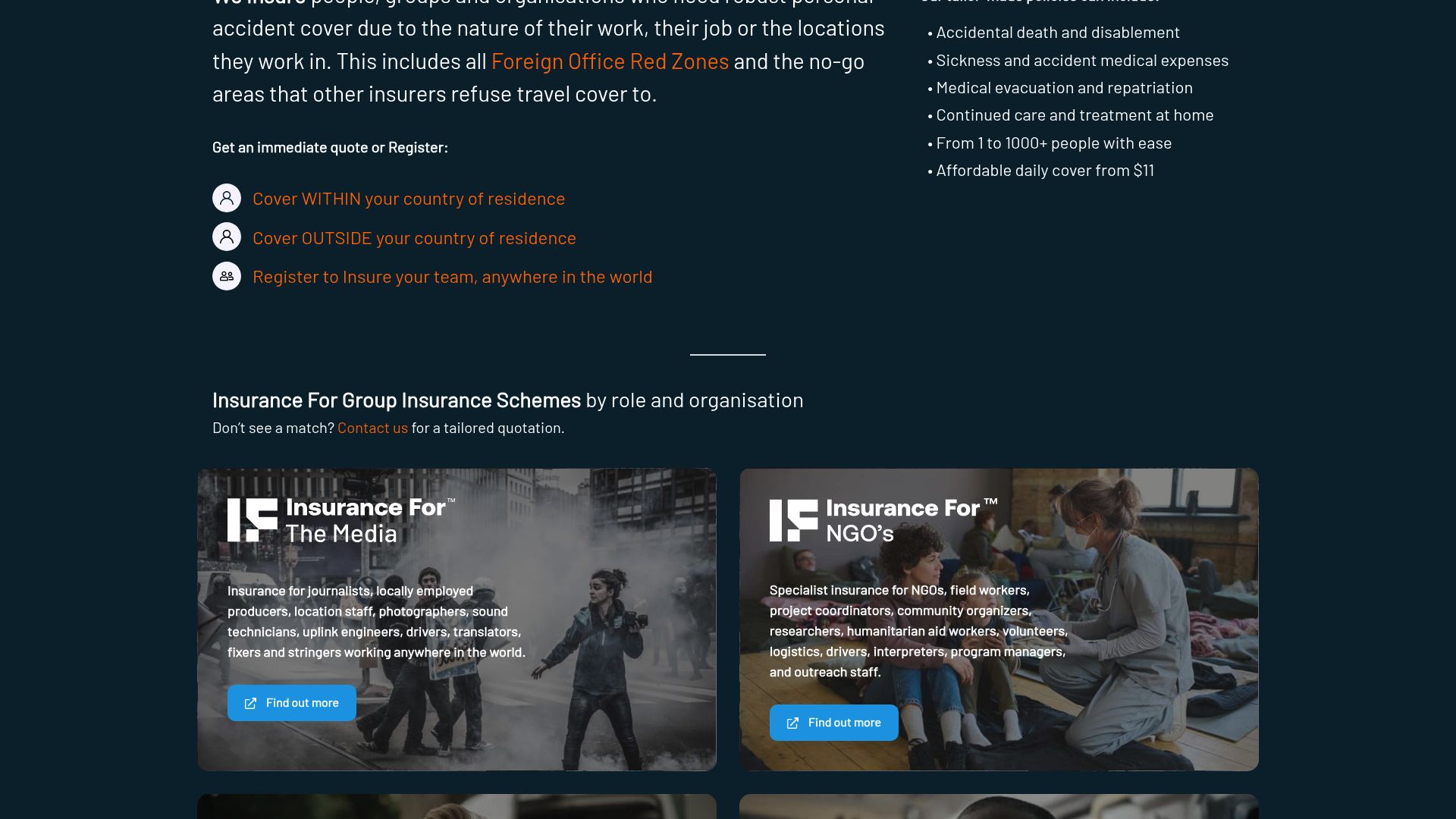
Insurance for Ltd offers customized policies for journalists, aid workers, medical professionals, and NGOs in dangerous environments. These plans typically include accidental death, disablement, medical expenses, emergency evacuation, and even war or terrorism coverage. The insurer provides 24/7 claims support and global reach, backed by Lloyds of London reinsurance. For example, an NGO staff member in a conflict zone can secure tailored accident cover insurance, ensuring robust protection wherever their mission takes them.
Who Needs Accident Cover Insurance?
Accidents don’t discriminate—they can impact anyone, regardless of age, job, or lifestyle. So, who really needs accident cover insurance? The answer might surprise you. From busy professionals to retirees, the right policy can be the safety net you never knew you needed.

Target Groups and Risk Factors
Accident cover insurance is designed for people exposed to unexpected risks in daily life or work. If you’re someone with an active lifestyle—like runners, cyclists, or sports enthusiasts—you’re more likely to face accidental injuries.
Those in high-risk jobs such as construction, manufacturing, or logistics are also prime candidates. Even everyday commuters or frequent travelers benefit, since road accidents and travel mishaps are common. Families seeking to safeguard their loved ones, seniors who may be more prone to falls, and students engaging in sports or group activities should consider coverage.
Organizations often provide accident cover insurance for employees or volunteers, especially in industries where physical risk is higher. This group protection is vital for NGOs, logistics teams, or companies with staff in dynamic roles.
Assessing Your Personal Risk
How do you know if you need accident cover insurance? Start by honestly evaluating your lifestyle and daily activities. Ask yourself:
- Do you participate in sports or adventure activities?
- Is your profession physically demanding or hazardous?
- Do you travel often for work or leisure?
- Are you the primary breadwinner for your family?
Statistics show that accident rates spike in certain age groups and occupations. For example, young adults and those in manual labor jobs face higher injury risks. Not having accident cover insurance could mean significant out-of-pocket costs and emotional stress if the unexpected happens.
If you’re unsure about your risk profile or which policy suits you, use tools like Compare Accident Insurance Policies to see what’s available. This helps you make an informed choice tailored to your needs.
When Accident Insurance Is Most Valuable
Accident cover insurance proves its worth at key life stages. Young professionals just starting out may lack savings to cover sudden medical bills. Parents with dependents want the peace of mind that comes from knowing their family is protected.
Retirees face greater health risks and may want to supplement existing coverage. Major life changes—such as starting a new job, relocating to a different country, or increasing travel—can also heighten your exposure to accidents.
Ultimately, anyone facing uncertainty or change can benefit from accident cover insurance. It offers critical financial protection when life takes an unexpected turn.
How to Choose the Best Accident Cover Insurance in 2026
Selecting the right accident cover insurance in 2025 is crucial for your financial security and peace of mind. The insurance landscape is evolving, and understanding what to look for can make all the difference. Whether you’re buying for the first time or reassessing your current plan, the following guide will help you navigate the process confidently.

Key Factors to Consider
When evaluating accident cover insurance, start with the basics: coverage amount, policy benefits, and exclusions. Ask yourself—how much financial support would your family need if you were unable to work due to an accident?
Balance premiums with the protection offered. A lower premium might seem attractive, but it could leave you underinsured. Review the policy’s exclusions carefully. Many plans exclude high-risk activities or have waiting periods before benefits start.
Consider the claims process and the insurer’s reputation. Quick, hassle-free claims and reliable support are essential during stressful times. Look for policies that offer add-on benefits like daily hospital cash or child education support, giving you flexibility as your needs change.
Comparing Insurance Providers
Not all accident cover insurance providers are created equal. Investigate their financial stability, claim settlement ratios, and customer service track record. Digital-first insurers may offer convenient mobile apps for claims and policy management.
Transparency is key. Reputable insurers provide clear policy documents and are upfront about exclusions. Check for customer reviews and testimonials to gauge satisfaction levels.
For a deeper understanding of an insurer’s expertise and background, review their credentials and market experience. For example, you can learn more about an insurer’s reputation and specialized experience by visiting their Company Background and Expertise page.
Comparing multiple providers ensures you find a policy that fits your unique risk profile and lifestyle.
Step-by-Step Guide to Selecting a Policy
Choosing accident cover insurance is easier when you follow a clear process:
- Assess your needs: Consider your occupation, hobbies, family responsibilities, and travel habits.
- Research insurers: Shortlist those with strong financials and good reputations.
- Compare policies: Look at coverage, premiums, exclusions, and optional riders.
- Read the fine print: Understand waiting periods, claim procedures, and renewal terms.
- Seek expert advice: Consult independent advisors if you’re unsure.
- Purchase and review: Buy the policy that best aligns with your circumstances, and review it yearly as your life changes.
This methodical approach helps you avoid surprises and ensures you get accident cover insurance tailored to your needs.
Common Mistakes to Avoid
Many people make avoidable errors when choosing accident cover insurance. Underinsuring is a frequent issue—don’t let a low premium sway you if it means inadequate coverage.
Overinsuring can also be costly. Select a policy that matches your actual risk, not hypothetical worst-case scenarios. Ignoring exclusions or waiting periods is another pitfall; always check what’s not covered.
Don’t base your decision solely on price. Consider the insurer’s claims history and customer service. Finally, remember to update your policy after major life events like marriage, job changes, or moving abroad.
Tools and Resources for 2025
Take advantage of digital tools to streamline your accident cover insurance search. Online comparison platforms allow you to review multiple policies side by side, saving time and highlighting key differences.
Explore government and consumer protection websites for unbiased advice. Industry reports provide insights into emerging trends and typical claim experiences, helping you make informed decisions.
Customer feedback and expert reviews can also guide you toward reputable providers and highlight red flags. By leveraging these resources, you can confidently select the best accident cover insurance for your needs in 2025.
Making a Claim: Accident Cover Insurance Claims Process
Filing a claim with your accident cover insurance can feel daunting, especially when dealing with the aftermath of an unexpected incident. By understanding the process and preparing in advance, you can ensure a smoother, faster experience and protect your financial security.
Step-by-Step Claims Procedure
If you experience an accident, follow these steps to initiate your accident cover insurance claim:
- Seek Immediate Medical Attention
Prioritize health and safety. Get the necessary medical help and keep all related records. - Document the Incident
Collect evidence such as photos, videos, and detailed notes. If applicable, file a police report. - Notify Your Insurer Promptly
Contact your accident cover insurance provider as soon as possible—most require notification within a specific time frame. - Submit Required Forms and Documents
Prepare and send in all mandatory paperwork, including:- Completed claim form
- Medical reports and bills
- Police or incident reports (if needed)
- Proof of identity and policy details
- Assessment and Verification
The insurer reviews your submission, may request additional information, and verifies the claim’s validity. - Payout Timeline
Once approved, payment is made based on your policy terms—either as a lump sum or reimbursement. Typical timelines range from a few days for straightforward cases to several weeks for complex claims.
Accident cover insurance providers often have digital portals or mobile apps to streamline this process, helping you track your claim in real time.
Tips for a Smooth Claims Experience
Getting the most from your accident cover insurance claim involves preparation and proactive communication. Here are essential tips:
- Keep Detailed Records
Store all receipts, reports, and correspondence related to the accident. - Understand Your Policy
Know your coverage, exclusions, and the claims process before an accident happens. - Stay in Touch
Communicate regularly with your insurance representative and respond promptly to requests for more information. - Use Claims Support Services
Many accident cover insurance providers offer 24/7 helplines or dedicated claims teams. Don’t hesitate to reach out for assistance or clarification. - Double-Check Your Submission
Incomplete or inaccurate paperwork is a common reason for delays. Review all documents before sending.
By following these steps, you increase your chances of a fast, stress-free claims experience.
Real-Life Claim Scenarios
Consider this example: After a workplace injury, a policyholder submits a claim for temporary disablement. With complete documentation and prompt communication, the claim is processed within two weeks, and the insurer pays out lost wages and medical expenses as outlined in the accident cover insurance policy.
Industry reports indicate that the average claim settlement time is improving, thanks to digital tools and streamlined processes. According to the Accident & Health Insurance Market Update: July 2025, most straightforward accident claims are now resolved within 15–20 days, with approval rates at record highs.
These advancements highlight the importance of choosing an insurer known for efficiency and transparency. By understanding the claims process, you can make the most of your accident cover insurance when it matters most.
Accident Cover Insurance Trends and Insights for 2025
As we move into 2025, accident cover insurance is evolving to meet the needs of a rapidly changing world. Consumers are seeking more tailored, tech-driven solutions, and insurers are responding with innovative products and services that address new risks and expectations.
Emerging Industry Trends
The accident cover insurance landscape is experiencing a surge in flexible and digital-first policy options. Insurers are increasingly offering customizable plans that can be managed online or through mobile apps, appealing to tech-savvy consumers and those with non-traditional work arrangements.
Key trends include:
- Embedded insurance options integrated into travel or gig platforms
- AI-driven underwriting and claims processing for faster approvals
- Expanded coverage for gig workers and freelancers
For a deeper dive into these innovations, see Accident & Health Industry Trends 2025, which explores how technology is reshaping accident cover insurance for the modern era.
Regulatory and Market Changes
With new regulations rolling out in 2025, accident cover insurance providers must keep pace with evolving compliance standards. Authorities are pushing for greater transparency in policy terms and faster, more reliable claims settlements.
Recent market changes include:
- Stricter disclosure requirements for exclusions and waiting periods
- Introduction of digital ID verification and e-signature mandates
- Industry-wide adoption of real-time claims tracking tools
These shifts are making accident cover insurance more accessible and user-friendly, ensuring policyholders receive the support they need when it matters most.
Future Outlook
Looking ahead, accident cover insurance is set for significant growth as demand rises among gig workers, frequent travelers, and those seeking mental health or rehabilitation benefits. Insurers are investing in advanced data analytics and personalized offerings to better match individual risk profiles.
Expect:
- Greater use of telehealth and remote claims assessments
- Expansion of specialty coverage for high-risk jobs and global travelers
- Ongoing innovation in product design and customer experience
To explore how these specialty trends will shape the future, see Key Trends in Specialty Insurance in 2025 and Beyond. As lifestyles and work patterns evolve, accident cover insurance remains a crucial component of financial security.
If you’ve made it this far, you already know how crucial it is to have the right accident cover—especially if you’re working in high-risk environments or want peace of mind for yourself and your loved ones. The next step is making sure you have a policy that fits your unique needs, whether you’re an individual, part of a group, or working abroad. To help you find the coverage that matches your lifestyle and risk profile, you can easily compare our three core insurance policies and see which one offers the protection you’re looking for.